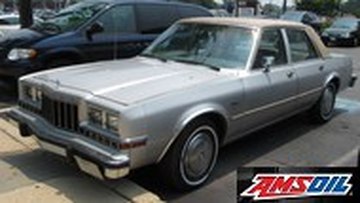
Engine Lubrication and Maintenance for the 1982 Dodge DIPLOMAT 5.2L
Maintaining a vehicle from the early 1980s requires a proactive approach to fluid management and mechanical inspection. For owners of the 1982 Dodge Diplomat equipped with the 5.2L engine, consistent attention to lubrication systems is a fundamental aspect of long-term preservation. Because older engines may exhibit different sealing characteristics than modern counterparts, understanding how to monitor and respond to changes in lubricant condition is essential for effective ownership.
Monitoring Fluid Integrity and Potential Leaks
One of the most practical aspects of maintaining an older engine is performing regular visual inspections of the engine bay. Rather than waiting for a warning light or a significant drop in fluid levels, owners should look for subtle signs of seepage. Over time, gaskets and seals can undergo changes due to heat cycles and age, which may lead to minor weeping around various connection points.
When conducting these inspections, focus on the following areas:
- Sealing Surfaces: Check around the engine block and various covers for any signs of oily residue or dampness.
- Drain Areas: Inspect the area beneath the vehicle after it has been parked to identify any active drips that might indicate a slow leak.
- Hoses and Connections: If equipped, examine visible hoses for signs of cracking, softening, or weeping at the attachment points.
It is important to note that finding a small amount of residue does not always indicate an immediate failure, but it does serve as a useful baseline. By noting where minor seepage occurs, you can better track whether a condition is stable or progressing over time.
Interpreting Changes in Lubricant Condition
The appearance and behavior of engine oil can provide valuable information about the internal state of the engine. While many factors can influence these characteristics, certain changes warrant closer investigation. If you notice an unusual odor during operation, it may indicate that lubricant is contacting a hot external surface. Similarly, any significant change in how much oil the engine seems to consume between service intervals should be documented and investigated.
If the vehicle exhibits unusual mechanical noises or if warning indicators appear on the dashboard, these symptoms should not be ignored. While these signs can be associated with many different underlying causes—ranging from low fluid levels to sensor issues—they are critical signals that the engine's operating environment requires professional attention. Always remember that a single symptom is rarely a definitive diagnosis; it is a prompt to perform a more thorough inspection.
Prioritizing Maintenance Through Record Keeping
For a vehicle of this age, establishing a clear maintenance history is one of the most effective ways to manage long-term care. If you have recently acquired this Dodge Diplomat and do not have access to previous service records, your first priority should be to establish a new baseline. This involves documenting every oil change, filter replacement, and mechanical repair from this point forward.
A well-maintained logbook allows you to:
- Track Consumption: By recording oil levels at regular intervals, you can distinguish between normal operation and an increasing rate of consumption.
- Identify Patterns: Consistent records help you see if certain components, such as belts or hoses, are aging at a predictable rate.
- Distinguish Needs: Having a history helps you differentiate between necessary preventive maintenance and unnecessary part replacements by showing what has already been addressed.
When the service history is incomplete, focus on addressing active concerns first—such as visible leaks or overdue fluid services—before moving into more advanced preventive measures. This condition-based approach ensures that your maintenance efforts are directed where they are most needed.
Managing Aging Engine Components
As vehicles age, the materials used in their construction, such as rubber and various synthetic compounds, can change in flexibility and durability. For the 1982 Diplomat, this means that routine inspections should extend beyond just the oil itself. If equipped, accessible drive belts should be checked for signs of glazing, fraying, or surface cracking. Similarly, electrical connections and wiring harnesses should be inspected for any signs of brittleness or corrosion.
Effective maintenance for an older engine is about observation rather than assumption. Rather than replacing components simply because they have reached a certain age, use your visual inspections to determine their actual condition. A belt that shows no signs of wear may still be serviceable, whereas one showing significant cracking requires immediate attention. This method of maintenance is both practical and cost-effective.
Effective Strategies for Engine Care
To ensure the 5.2L engine remains in reliable operating condition, owners should adopt a strategy of consistent monitoring. This includes not only checking oil levels but also paying attention to how the vehicle performs under different driving conditions. Changes in how the engine starts, how it idles, or how it responds to acceleration can all be indirect indicators of the engine's overall health.
Regularly cleaning the engine bay can also be a helpful maintenance tactic. A clean engine makes it significantly easier to spot new leaks or cracks in hoses that might otherwise be hidden by accumulated grime and road debris. By maintaining a clean environment for inspection, you increase the likelihood of catching minor issues before they escalate into more significant mechanical concerns.
Practical Advice for Buying Engine Oil for your 1982 Dodge DIPLOMAT 5.2L
When it is time to replenish your engine's lubricant, the most important step is to ensure the product matches the specific requirements of your application. Rather than relying on general automotive knowledge or assumptions based on the vehicle's age, you must refer to the application-specific information provided on this page.
When selecting a product, consider the following practical steps:
- Match the Viscosity: Always use the specific oil viscosity listed in the application information shown above. Do not attempt to substitute a different grade based on perceived climate or engine age unless it aligns with the provided data.
- Verify API Certification: Ensure that any oil you purchase carries the appropriate current API service certifications to guarantee modern additive standards and quality.
- Evaluate Formulations: Depending on your specific needs, you may choose between conventional, synthetic blend, or full synthetic oils. Some high-mileage formulations also contain additives intended for use in aging engines, including seal-conditioning agents that may be beneficial for older seals.
- Check the Label: Before completing your purchase, double-check the product packaging to confirm it meets the technical specifications required for your 5.2L engine.
By following the specific guidance provided in the vehicle information section of this page, you can ensure that your lubrication choices support the continued operation of your Dodge Diplomat.